

The name “chrome steel” is one of the most a success advertising terms in history. It implies a metal this is completely proof against staining or rusting. However, for engineers and procurement managers buying industrial nameplates, assuming the steel is invincible may be a expensive mistake. The fact is complicated. Even as chrome steel is vastly superior to everyday steel, it is not magic. Below specific harsh conditions, it could corrode. This manual explains why corrosion happens, how to prevent it, and why our manufacturing method ensures your Precision Scale Plates and chrome steel Nameplates continue to be legible for the lifespan of your machinery.
Why do many of the stainless steel plates tarnish?
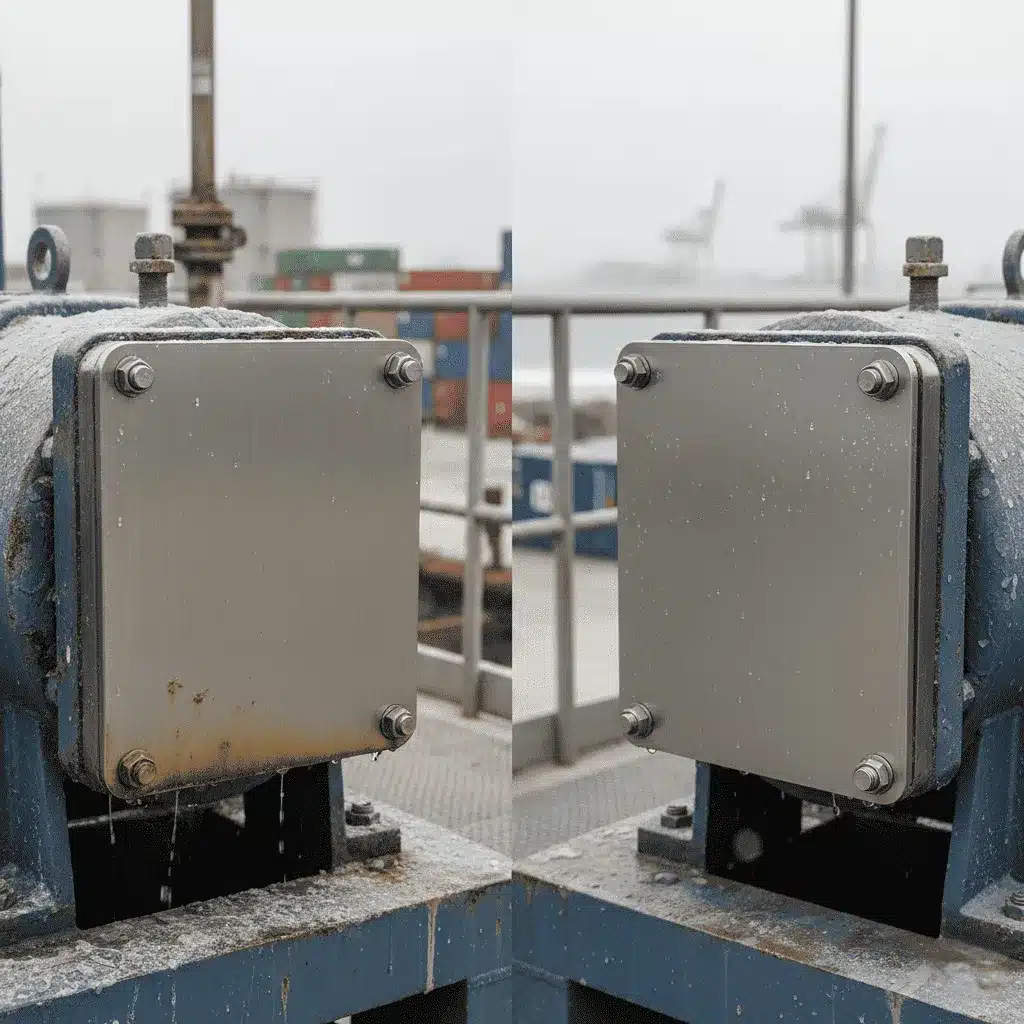
Why do a little stainless steel plates tarnish? Tarnishing or “Tea Staining” commonly takes place because of the use of less-grade alloys (just like the two hundred-series) or surface infection. Proper AISI 304 and 316 grades utilized in professional production rarely tarnish if they may be saved smooth and maintained. In case you see a chrome steel plate turning brown or gold (tarnishing), it is also a signal of certainly one of matters:
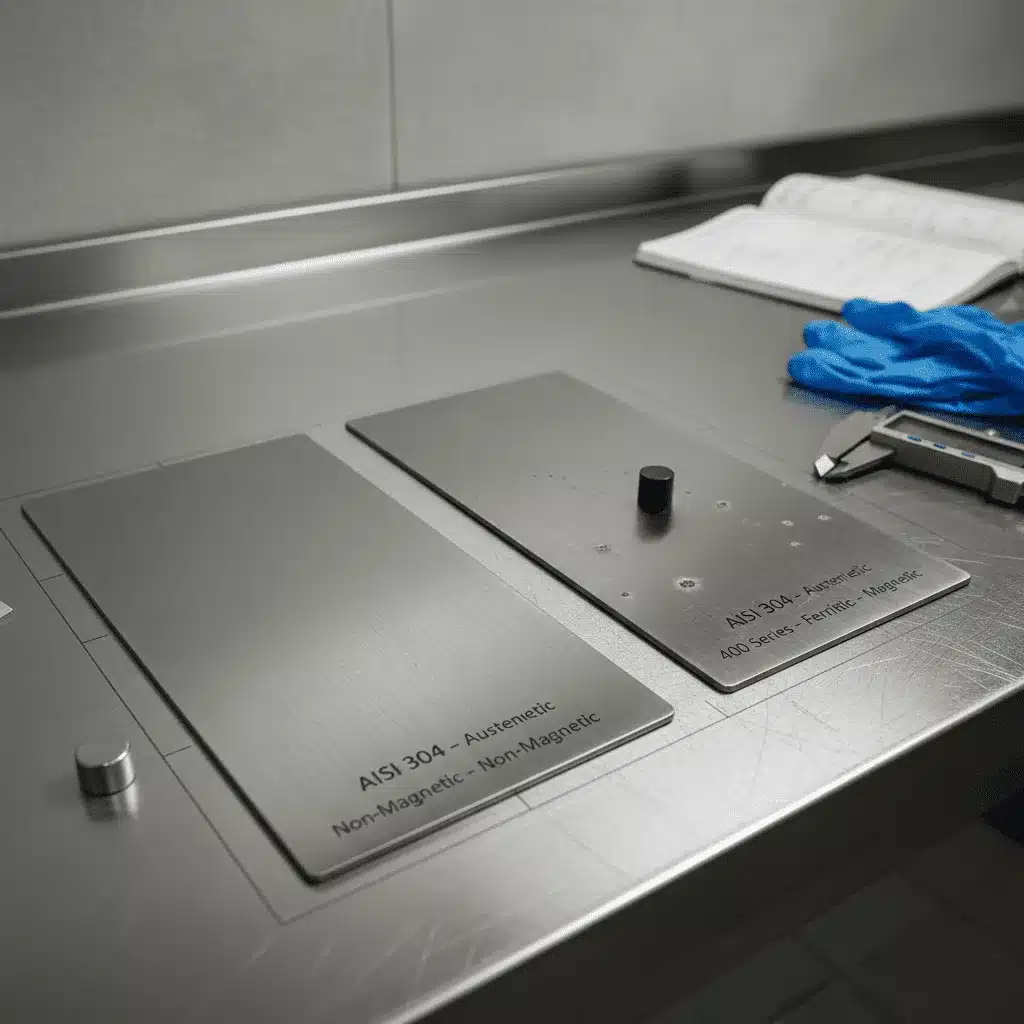
Wrong Material Selection: Many reasonably-priced nameplates are made from “Ferritic” chrome steel (four hundred collection) or low-nickel alloys to store money. Those are magnetic and rust easily. Read more: Is stainless steel magnetic? How to test your nameplate quality. Our Standard: We strictly use Austenitic AISI 304 and 316 grades. These have high nickel content, which stabilizes the steel against tarnishing.
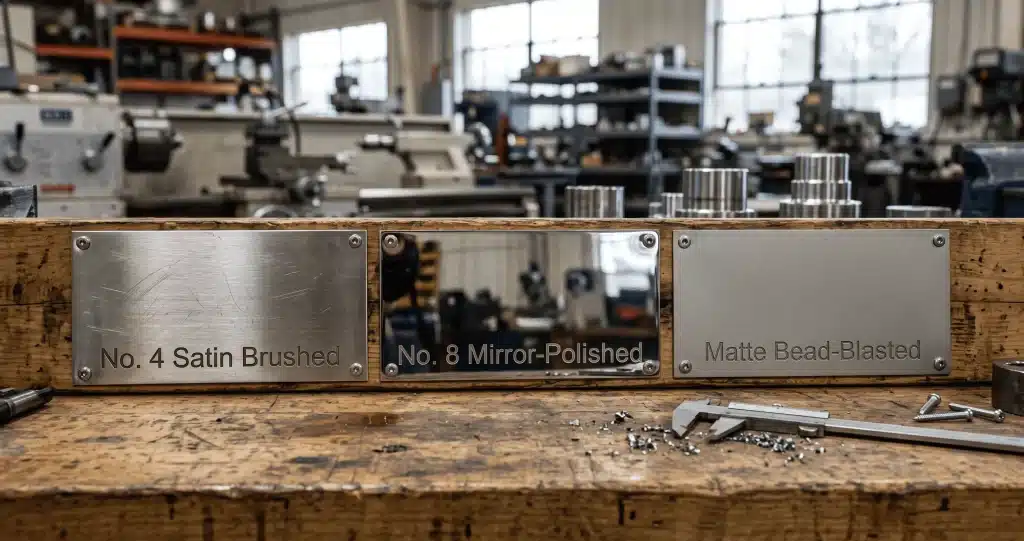
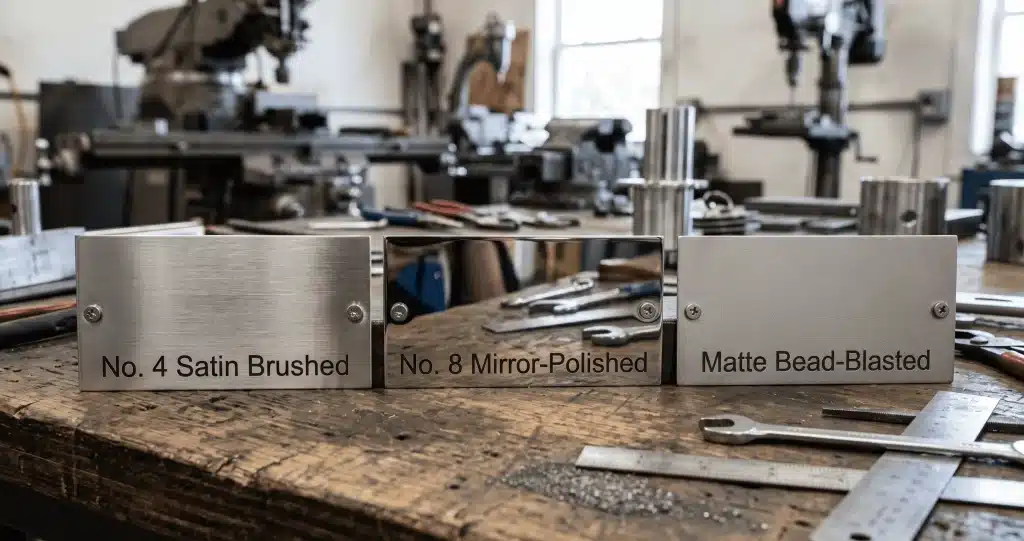
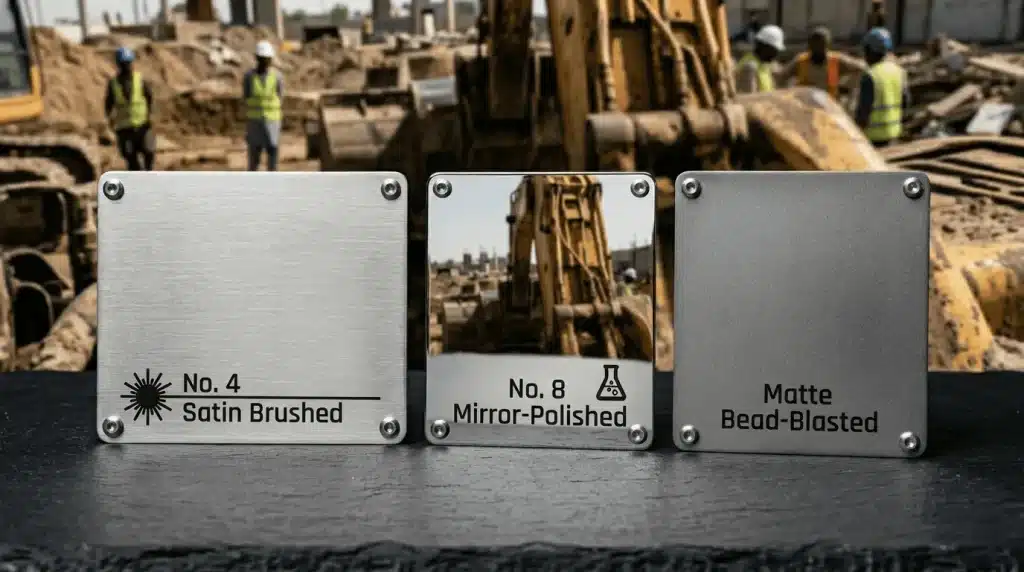
Tea Staining: This is a cosmetic issue in coastal areas. It looks as if brown stains at the floor. It does not consume thru the metallic, however it appears horrific. The Restore: Using a mirror polish or a completely easy satin finish helps. Hard surfaces entice salt and dirt, main to stains. Easy surfaces permit rain to clean the dust away.
A way to remove rust from stainless steel?
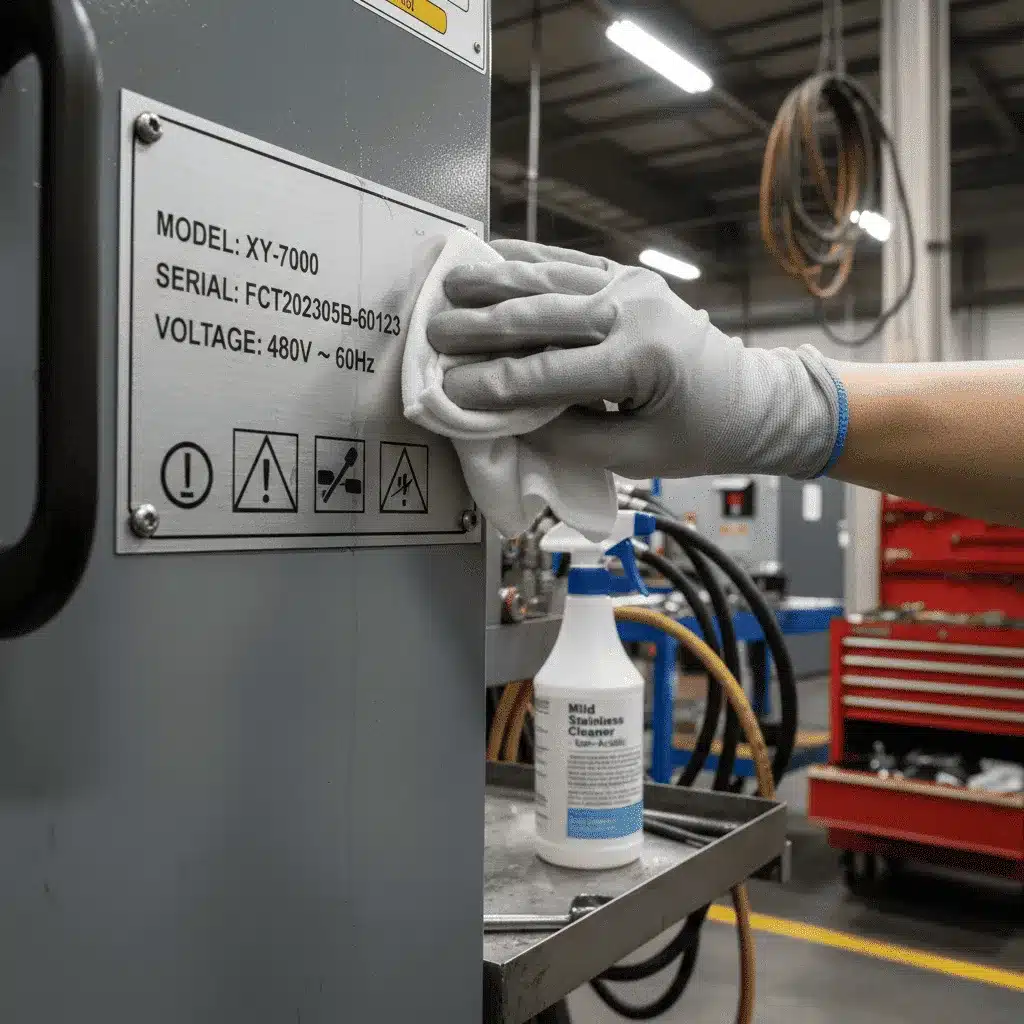
Minor surface rust may be eliminated the usage of a slight abrasive pad (like Scotch-Brite) shifting with the grain, or a specialized phosphoric acid-based totally purifier. In no way use steel wool or chloride bleach, as these will harm the steel similarly.
If you have an old machine plate that looks rusty, it is likely just surface contamination. The plate itself is fine; the dirt on top is rusting. Here is how to clean it without damaging the etched data:
If you have a vintage gadget plate that appears rusty, it’s far probably just floor infection. The plate itself is high-quality; the dirt on top is rusting. Here is the way to clean it without damaging the etched data:
Smooth the floor:
Smooth the floor: Wash away loose dust with heat water and dish cleaning soap.
Use a slight Acid:
White vinegar or a specialised chrome steel cleaner can dissolve the rust.
Scrub efficiently:
In case you need to scrub, use a plastic scouring pad. Continually scrub inside the course of the grain (brush lines). In case you scrub across the grain, you will damage the end.
Rinse and Dry:
Rinse very well with water. Rust wishes moisture to develop, so retaining it dry is the best prevention.
Conclusion: Reliability in Harsh Environments
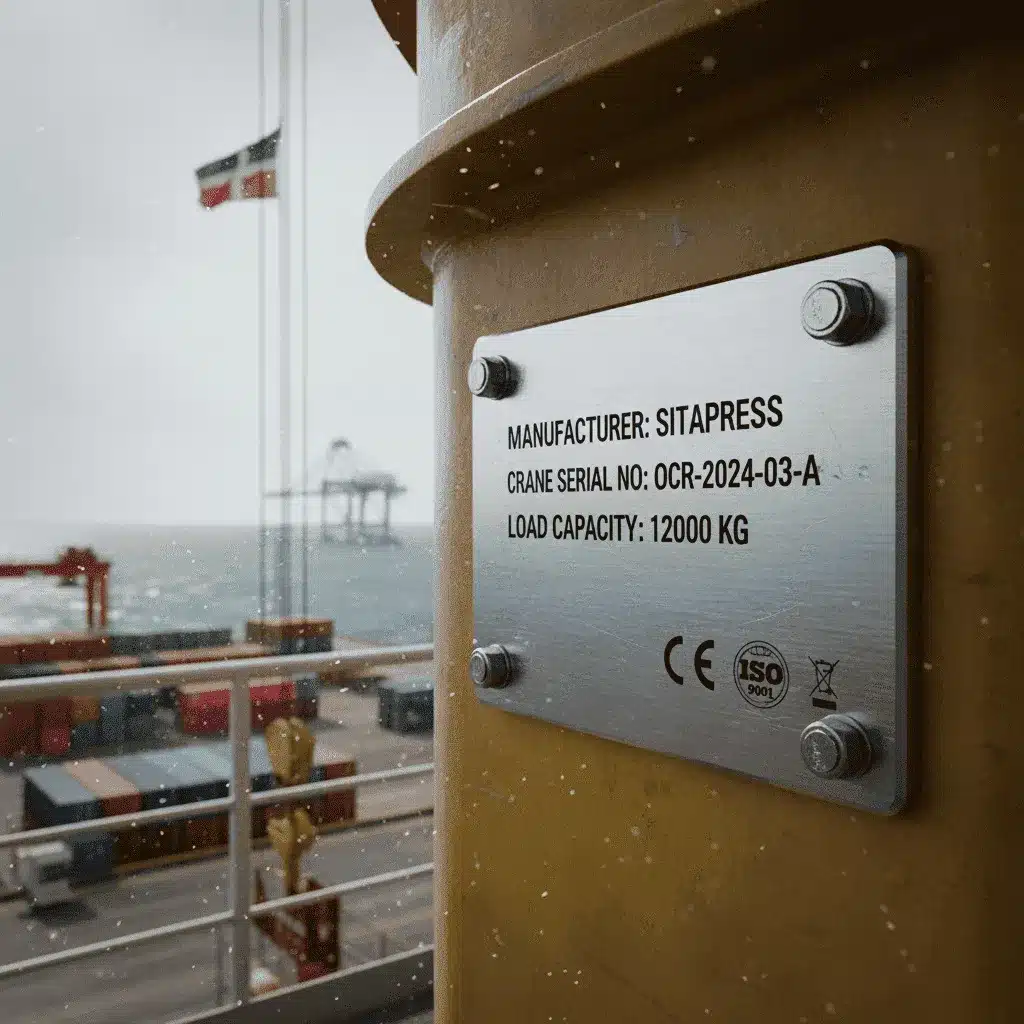
Does stainless steel rust? Underneath excessive abuse, yes. However does it closing longer than any other material? In reality.
For business programs—whether or not it’s far a Precision Scale Plate on a boiler or a data Plate on an offshore crane—stainless steel is the enterprise trendy for a motive. By way of selecting the right grade (316 for marine, 304 for widespread) and ensuring the manufacturer makes use of right Passivation, you may ensure your device identification stays pristine for many years.
We engineer our plates to withstand the elements so that your emblem and safety records live seen.
Frequently Asked Questions (FAQs)
Can stainless steel rust in water?
Pure water does no longer rust stainless steel. However, stagnant water or water with high chlorine ranges (like bleach or pool water) can purpose pitting corrosion. For submerged programs, 316 grade is required.
How do I protect my stainless steel nameplates?
The best safety is regular cleansing. Clearly washing the plates with soapy water once a month eliminates the salt and dust that cause corrosion. You may additionally observe a thin layer of WD-forty or infant oil to repel water.