

The question of whether laser marking represents the most desirable answer for component identity is complicated, and the solution essentially relies upon at the precise needs and constraints of a given production application. At the same time as laser marking boasts numerous technical blessings, it isn’t always a generic answer, and its suitability need to be evaluated against different commercial marking technologies.
1. Advantages of Laser Marking: Precision and Efficiency
Laser marking is fantastically valued in business settings for its capability to supply superior marking quality and streamlined operational performance.
1. Benefits of Laser Marking: Precision and efficiency
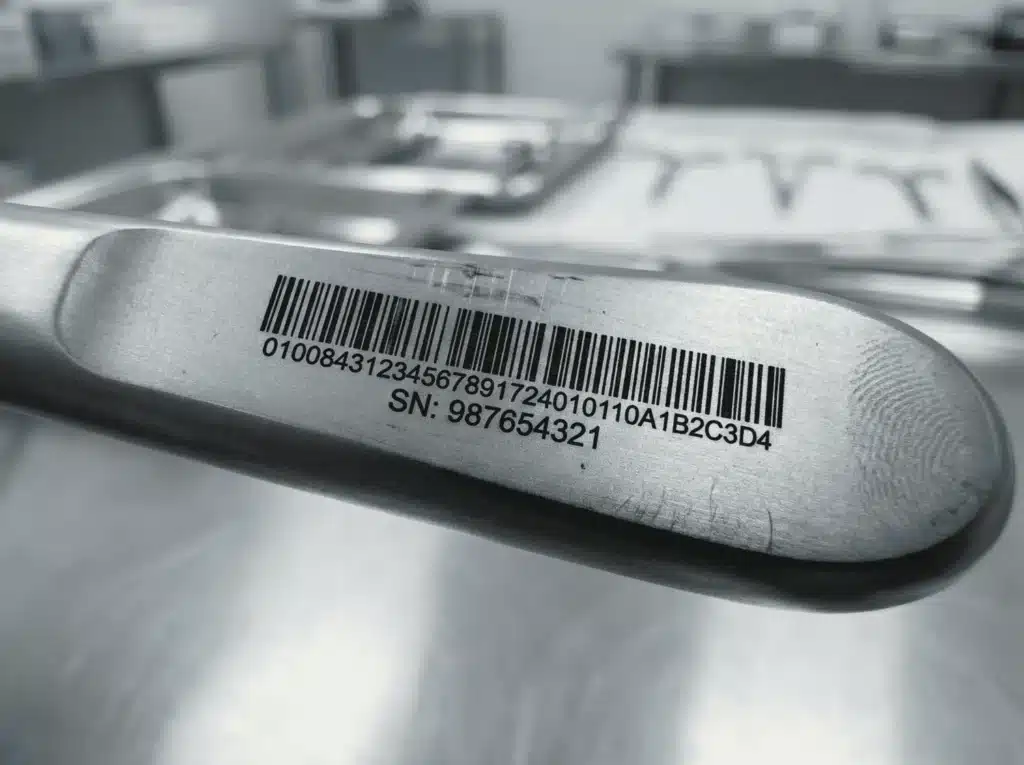
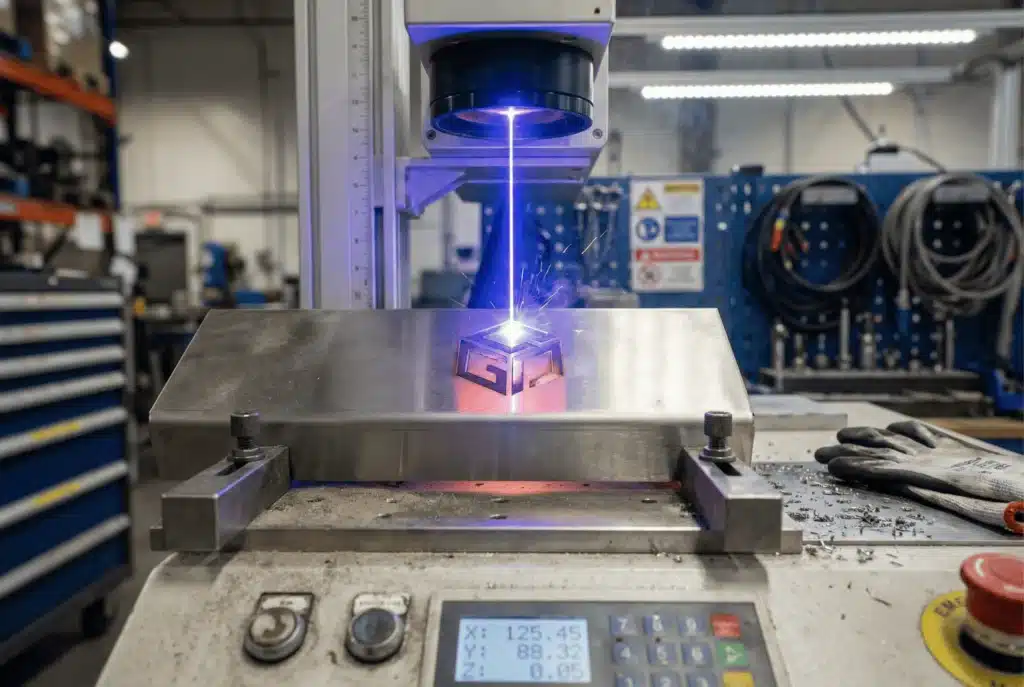
• Accuracy and Permanence: Laser systems enable the permanent marking of various content consisting of textual content, barcodes, symbols, and complex trademarks with extremely high precision. This permanence is important for traceability in sectors like aerospace and scientific gadgets.
• Fast Changeover speed: Switching between different marking contents is straightforward and rapid. This pace makes the generation best for manufacturing lines that system various batches or require variable facts marking at the fly.
• Low Operational charges: Laser marking is a non-contact system that doesn’t require converting equipment or consumables. This dramatically reduces maintenance prices and minimizes downtime as compared to mechanical or ink-based systems.
• Precise application functionality: Positive delicate or specialized marking responsibilities can handiest be completed efficaciously using a laser. A key instance is the mild removal of paint on backlit buttons or interfaces, regularly visible in automotive dashboards, in which distinctive colors need to be discovered without damaging the underlying substrate.
2. Situations in which Laser Marking might not be ideal
No matter its strengths, laser marking encounters obstacles that make other technology more suitable in three principal situations: technical requirements, manufacturing scale, and industrial performance.
A. Technical Limitations (Color)
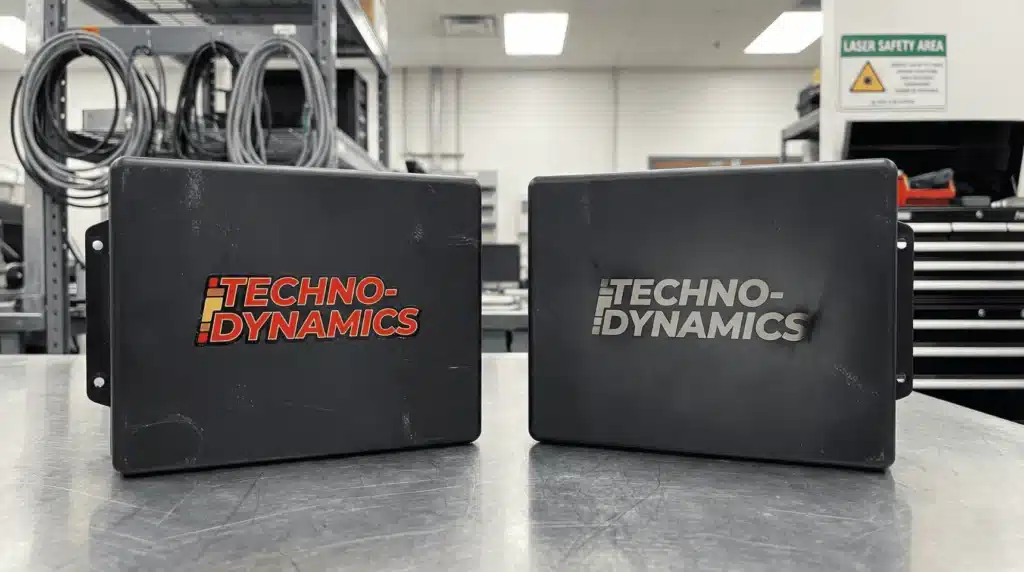
If the application needs coloration marking—together with applying a specific red logo on a plastic thing—laser marking is normally not appropriate. Laser systems commonly create assessment by means of changing the surface cloth (engraving, foaming, or annealing), now not through adding color. In these instances, traditional methods like pad printing or hot stamping are regularly higher perfect for reaching favored shade branding.
B. Production Requirements (Scale and Pace)
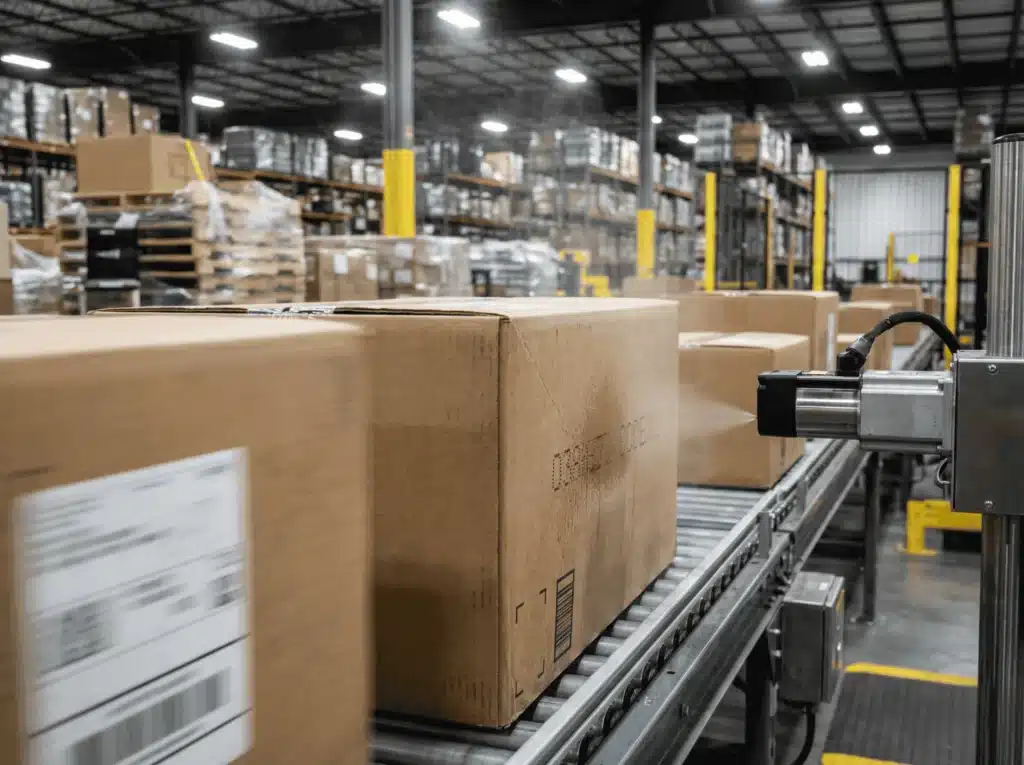
For packages regarding huge markings on rapid-moving, large surfaces, which include cardboard packing containers journeying on a conveyor belt, the laser marking technique can be too slow. Here, solutions designed for excessive-extent, fast deployment, along with character printers or computerized label applicators, offer superior throughput and cost-effectiveness.
C. Commercial Efficiency (Low Extent)
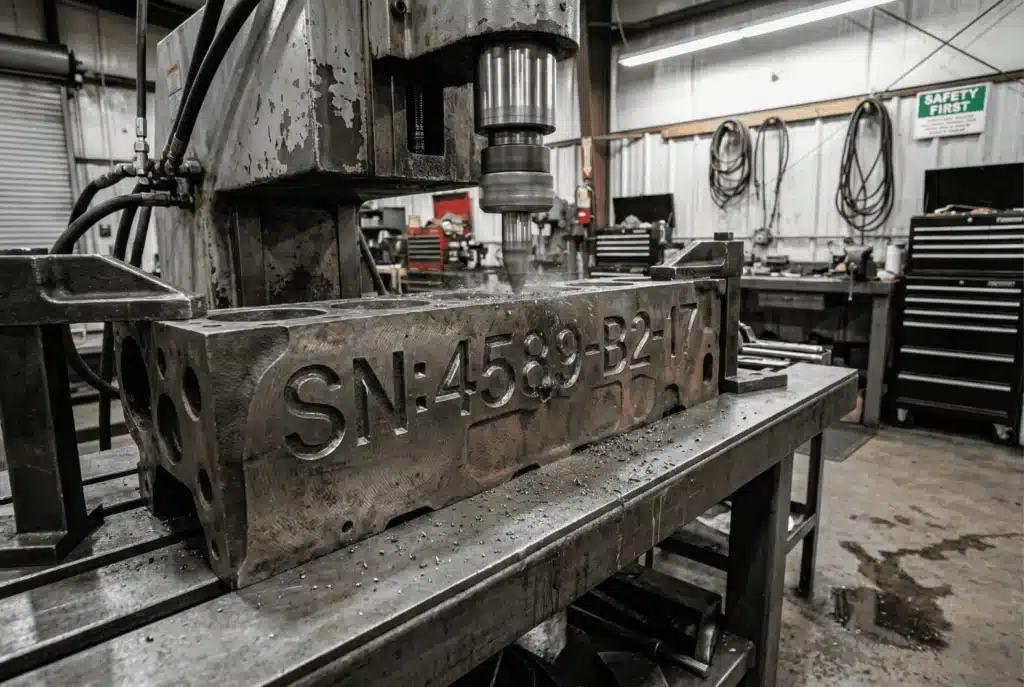
Whilst the requirement is for a easy and everlasting marking (like a serial range) on a small wide variety of metallic elements, the preliminary investment and operational complexity of a laser system can be too expensive. Extra not pricey and technically simpler alternatives for low-volume, deep marking tasks encompass micro punch or mechanical engraving gadgets.
3. Selecting the Best Industrial Marking Technology
There is not a single, one-length-fits-all solution to which era is definitively the “quality” for marking elements. Reliable commercial marking is carried out by way of matching the procedure to the precise requirements of the substrate, the environment, the preferred permanence, and the budget.
At the same time as laser marking is super for a wide array of programs, in particular those requiring excessive detail, permanent traceability, and low operational prices, its suitability should be confirmed through a radical analysis of the precise desires. Consulting with a professional to source high-quality laser marked parts is vital to navigate the technical change-offs and ensure the selected generation affords the greatest balance of pleasant, pace, and business viability to your operation.
Frequently Asked Questions (FAQs)
-
Is laser marking appropriate for every type of material?
Although capable of marking a broad spectrum metallic materials and certain plastics, it isn’t omnipotent. Whether or not this technique works depends on whether or not the base material reacts to light. For example, high-volume cardboard packaging or applications that require multicolor branding have often found inkjet printing and pad printing to be more effective substitutes.
-
Can laser marking create high-contrast colored symbols?
No, in the rule. contrast in laser marking is achieved through controlling surface features, these include edge, membrane and fusion. If your project has specific brand colors requirements (for example, the logo on dark plastic needs to be bright red), then traditional methods like pad printing or hot stamping are the norm for this type of work.
-
Contrast the costs between laser marking and mechanical engraving?
Laser markers require a large amount of money input at first,but starting to operate, because they do not require any consumables or maintenance.The opposite applies to mechanical engraving or micro-punching, still a more economic choice when volume is low and deep marks are being taken.
-
Is laser marking fast for high-speed production lines?
It is the surface area that matters. Laser marking is super fast at small, fine details. But when it comes to making markings on high-speed moving products, such as shipping boxes sliding by on a conveyor, high-speed character printers or automated label applicators often deliver even higher throughput.
-
Why is laser marking a choice in medical and aerospace industries?
It is these sectors that need a permanent traceability even in case of severe working environment or sterilization cycles. Non-impact, high-resolution laser marking provides a non-contact method for ensuring that barcodes and serial numbers stay readable without disturbing the structural stability of the fragile parts.