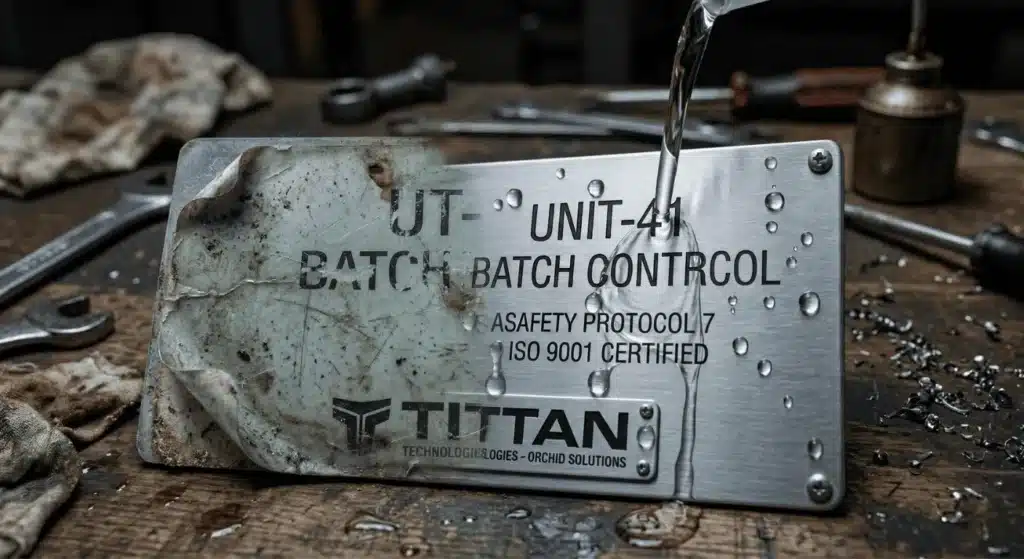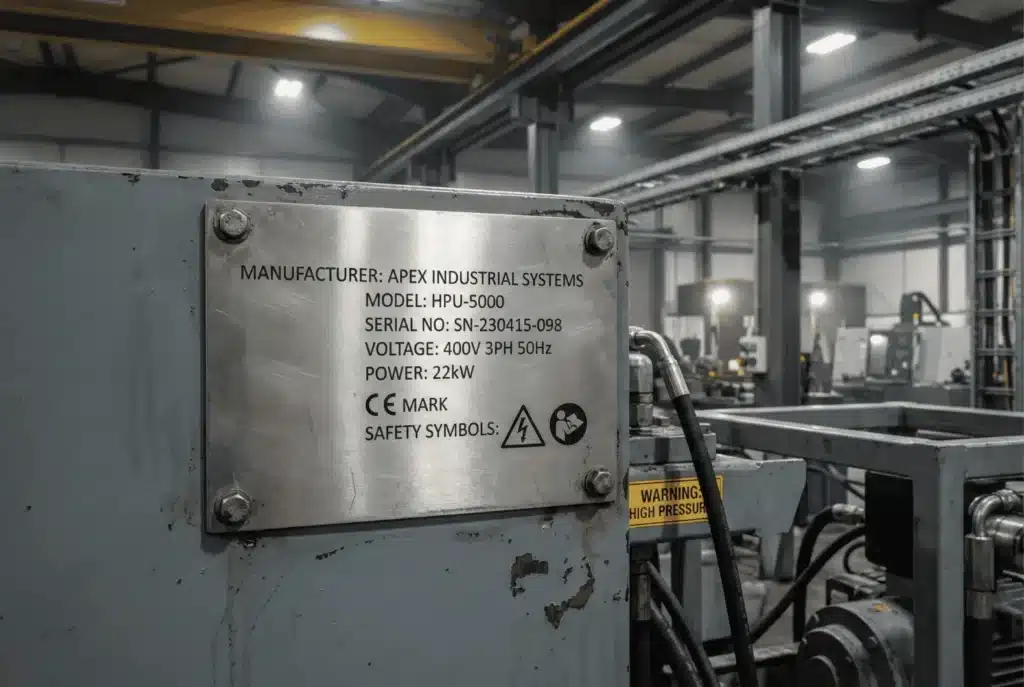

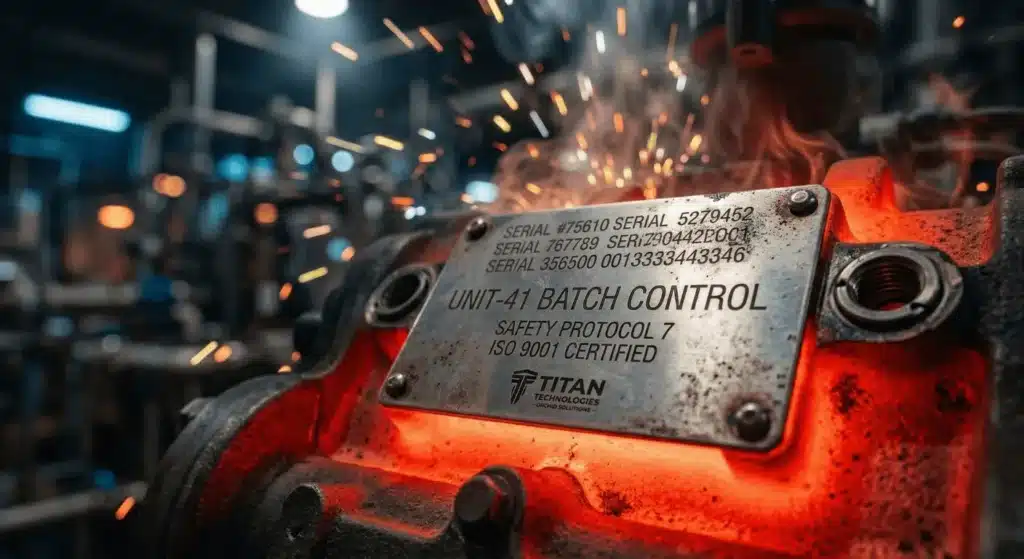
In the manufacturing era, device often operates below hard conditions. Whilst moisture and chemical substances are common threats, extreme warmth is a silent destroyer of commercial identification. Believe a boiler working at four hundred°C, or a powder coating oven curing merchandise at 200°C. If the identity plate on that device melts, warps, or fades, the vital facts serial numbers, protection warnings, and voltage scores is lost forever.
This will lead to safety violations and upkeep nightmares. whilst engineers pick out substances for those high-temperature environments, the maximum common question is: Will this metallic survive the warmth? This guide explores the thermal residences of stainless steel Nameplates and Precision Scale Plates, answering common questions on melting points, oven protection, and why stainless steel is the undisputed champion of high-heat applications.
Can stainless steel go in the oven?
Sure, chrome steel is absolutely oven-secure. In business context, stainless steel nameplates are frequently connected to merchandise that pass thru excessive-temperature curing ovens, powder coating tunnels, and heat-treatment furnaces without maintaining any damage. This keyword often comes from domestic chefs asking about pans, however for our customers, it refers to industrial ovens.
Application: Powder Coating and Paint Lines
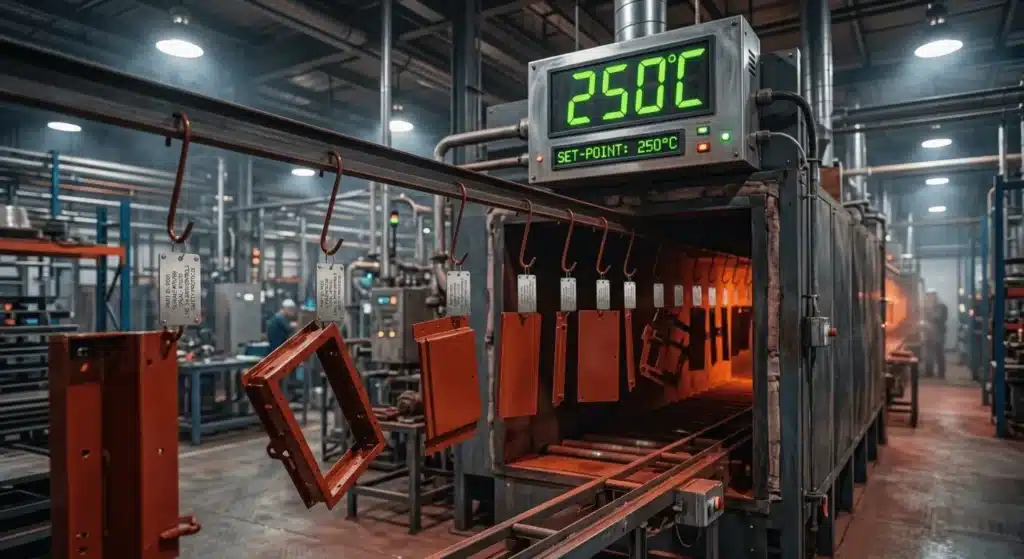
Many producers connect a serial quantity plate to a product earlier than it receives painted. The product then goes right into a curing oven (normally 2 hundred°C – 250°C) to bake the paint.
• If you use an aluminum tag, it might continue to exist, but it risks softening if the temperature spikes. • If you use a plastic sticker, it’s going to burn to a crisp. • Stainless steel Nameplates are unaffected. They travel through the oven, resist the heat, and come out looking exactly the identical.
Application: Food Processing Ovens
In industrial bakeries and food plants, trolleys and racks pass into big rotary ovens. these racks must be recognized with 304 stainless steel tags because they resist both the excessive baking warmness and the following wash-down with bloodless water (thermal surprise).
Is stainless steel microwave safe?
No, stainless steel have to normally now not be placed in a microwave. Metal displays microwaves, which could purpose electrical arcing (sparks) and damage the magnetron of the microwave oven. In commercial settings, stainless-steel plates must now not be used inner microwave-drying or microwave-heating equipment.
This is an essential distinction. At the same time as stainless-steel handles thermal heat (hearth/ovens) flawlessly, it can’t cope with microwave strength.
The Science of “Arcing”
Microwaves are electromagnetic waves. Once they hit meals (water molecules), they’re absorbed and create warmth. If they hit steel, like a stainless steel plate, they leap off like mild hitting a reflect. If the steel has sharp edges (just like the corners of a nameplate) or is near the oven partitions, the focused electrical discipline reasons the air to ionize, creating seen sparks.
Industrial Implication
A few contemporary factories use business microwave structures for drying timber, textiles, or meals.
• Warning: Never attach a metallic nameplate to a element so that it will pass through a microwave tunnel. • Opportunity: For those specific zones, excessive-heat ceramic or specialised polymer tags have to be used. However, for ninety nine percent of general warmth packages (boilers, engines, furnaces), stainless steel is the proper choice.
Protection in fireplace conditions
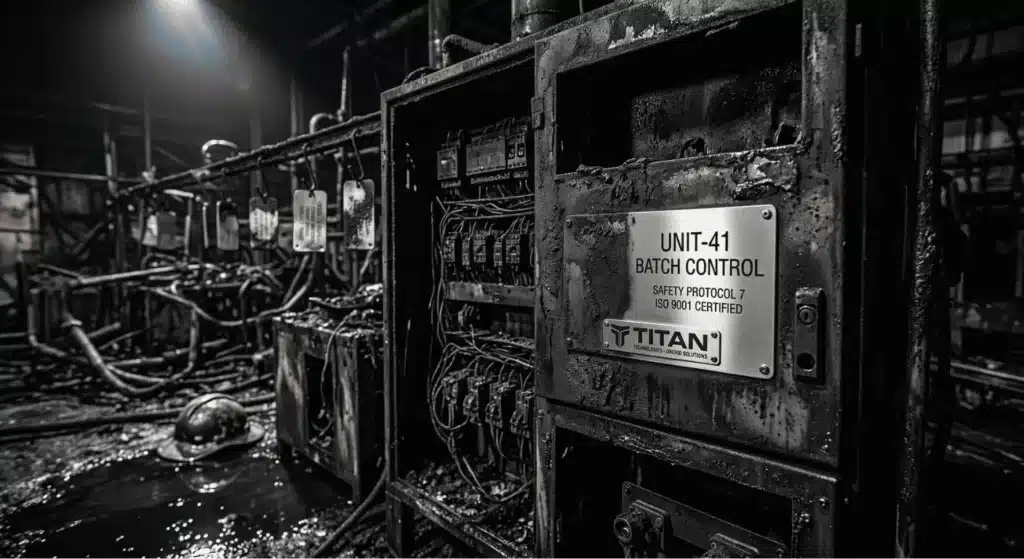
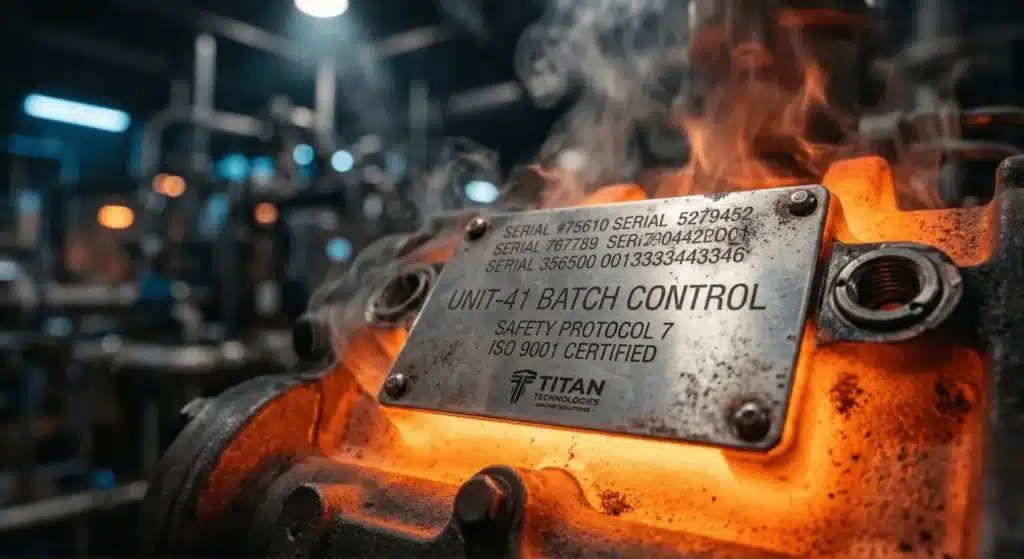
one of the maximum not noted motives for choosing stainless steel is disaster recovery. If a hearth breaks out in a facility, plastic labels add fuel to the fireplace and disappear immediately. Aluminum plates may soften into unrecognizable puddles.
Chrome steel nameplates are non-flamable. After the hearth is extinguished, investigators and coverage adjusters want to discover the machines. They need to examine the:
• Serial Numbers • Date of Manufacture • Strain rankings
A stainless steel plate will often be soot-covered but intact. A easy wipe reveals the etched information, taking into consideration correct asset identity and coverage claims. This “black field” sturdiness is why coverage businesses and safety inspectors opt for stainless-steel identity on heavy machinery.
To Conclude:
Whilst we ask, “Can stainless-steel face up to excessive heat?” the answer is a resounding sure. It’s far the gold popular for excessive-temperature industrial environments.
Whether you’re building ovens, manufacturing exhaust structures, or labeling boilers, chrome steel Nameplates offer the peace of thoughts that your branding and statistics will no longer soften, warp, or burn away.
Our advice for high warmth:
• Up to 200°C: General Etched & crammed stainless steel (Any Grade). • 200°C to 800°C: Deep Etched stainless-steel (No Paint / herbal end) with 304 or 316 Grade. • Mounting: Use mechanical fasteners (rivets/screws) in preference to adhesives, as maximum glues fail above a hundred and fifty°C.
Frequently Asked Questions (FAQs)
What occurs to stainless-steel if it receives too hot?
If chrome steel exceeds more or less 500°C, it is able to begin to discolor, turning a straw-yellow, blue, or red colour. This is referred to as “warmth tint.” It does now not affect the power of the steel, handiest the appearance. The etched textual content stays readable.
Can I use adhesive tape for high-temperature nameplates?
Wellknown 3M adhesives are commonly rated as much as 150°C (three hundred°F). For temperatures higher than that, the glue will melt and the plate will fall off. For high-heat zones, you must use screws, rivets, or spot welding.
Is 316 stainless steel better for heat than 304?
For natural warmth resistance, they’re very similar. but, 316 has slightly higher power at elevated temperatures (creep energy) because of the molybdenum. But for preferred nameplate programs, both 304 and 316 carry out excellently in fire/warmness situations.