

While we reflect on consideration on commercial protection, we normally think about shielding gear, emergency stops, and warning signs. However, the protection of the substances used to your facility right down to the identity nameplates and scale plates is just as important. Engineers and facility managers frequently ask approximately the safety profile of the metals they convey into their flora. Is the material reactive? Will it purpose hypersensitive reactions for operators coping with the equipment? Will it contaminate the product? Stainless steel is extensively regarded because the most secure industrial metallic available.
Is stainless steel hypoallergenic?
Certain, high-quality chrome steel (specifically 304 and 316 grades) is taken into consideration hypoallergenic. Because it has a non-porous surface and is appreciably evidence against corrosion, it does now not launch heavy steel ions that commonly cause allergic reactions, making it secure for operators who frequently address equipment controls and statistics plates.
Why Worker Safety should be priority
In a factory setting, operators interact with control panels, dials, and machine tags hundreds of times a day.
Contact Dermatitis:
A few metals, like nickel-plated metallic or low-grade alloys, can launch metal ions when they react with sweat or oils on a worker’s hand. This will reason pores and skin irritation or rashes (dermatitis).
The stainless solution:
Although stainless steel carries nickel, the nickel is tightly bound inside the atomic lattice of the alloy. In high grades like 304 (clinical Grade) and 316 (Marine Grade), the nickel release price is extraordinarily low—well underneath protection thresholds.
Does stainless steel turn skin green?
No, strong chrome steel does no longer flip skin green. The “inexperienced pores and skin” response is due to the oxidation of copper in inexpensive metals like brass or bronze. Chrome steel is chemically stable and does not oxidize when in touch with pores and skin, moisture, or oils, making it an easy and non-staining material.
The Chemistry of “Green” Stains

While rings turns your finger green, it’s far because the metallic is reacting with the acid to your sweat. The metallic dissolves barely and leaves a copper-salt residue in your skin.
Brass/Bronze Plates:
If you use brass nameplates in your equipment, they will finally oxidize (turn green/black) due to humidity and coping with. This oxidation can drip and stain the high-priced gadget surface below.
Chrome steel Plates:
Chrome steel has a “Passive Layer” of chromium oxide. It’s miles inert. It does not react with sweat, humidity, or oils.
Safety in your machinery
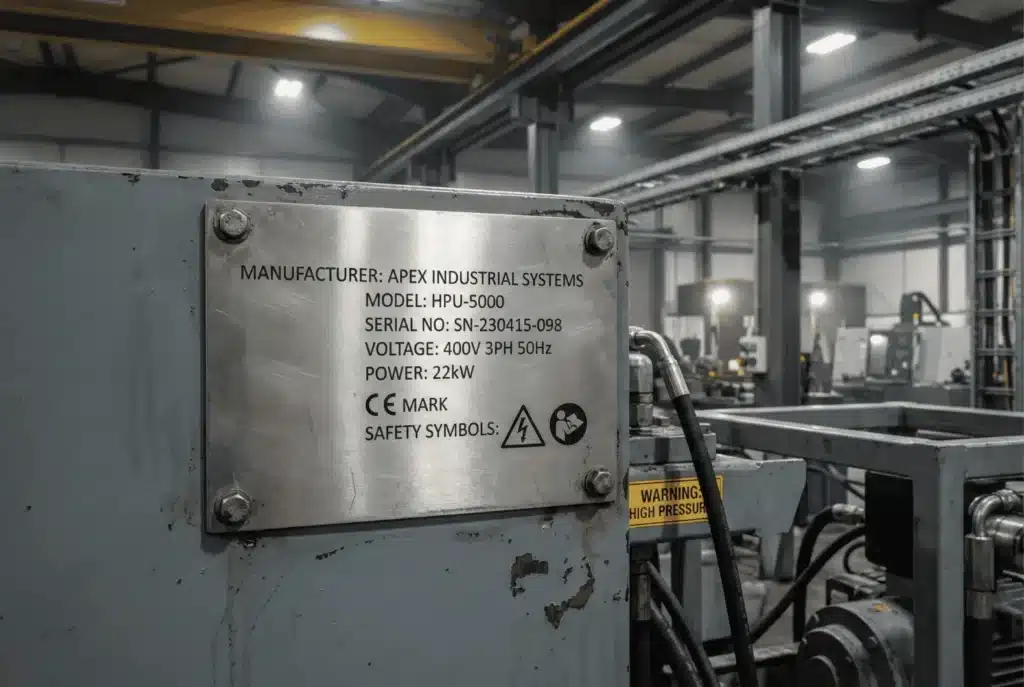
The query isn’t just about human pores and skin; it’s far about the “skin” of your system. in case you mount a reactive metal plate (like carbon metallic or copper) onto a white painted device, moisture will sooner or later purpose that plate to bleed rust or green oxide down the facet of the device. This looks unprofessional and implies terrible upkeep. Stainless-steel nameplates will in no way bleed color or stain the mounting surface. They remain silver and easy, retaining the professional look of your assets.
The Hygiene component: Easy to Sanitize
Inside the post-pandemic technology, commercial hygiene is a chief issue. Surfaces that are touched slowly like manage panels and machine labels must be wiped clean with harsh disinfectants.
Safety through cleaning:

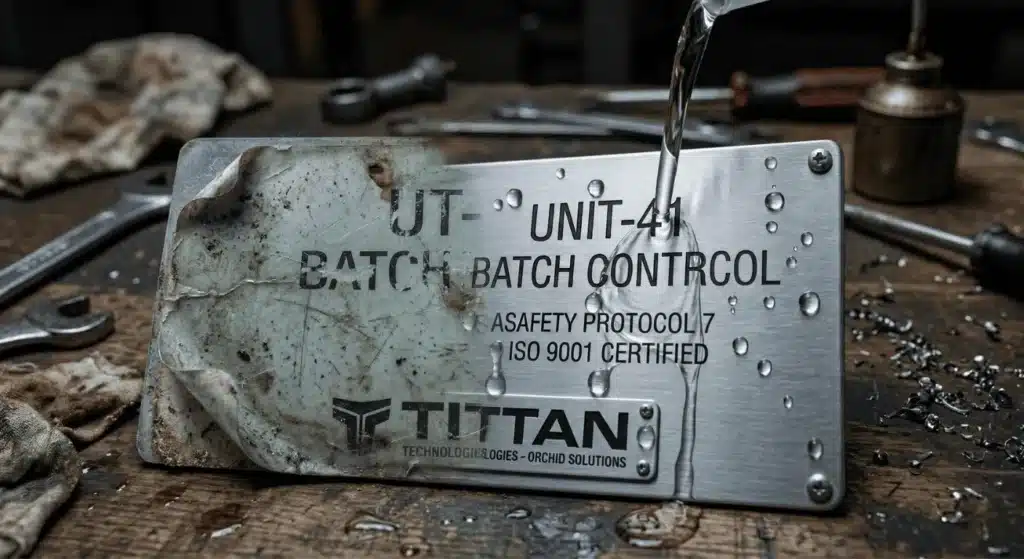
You could spray a stainless steel nameplate with alcohol, bleach answers (if rinsed), or business sanitizers.
The deep-etched text will now not fade.
The metal will now not degrade or crack (not like plastic labels which crack and harbor bacteria).
For industries like Pharmaceutical manufacturing or food Processing, the capacity to pressure wash and sterilize device without unproductive the identification plates is an obligatory protection requirement.
To Summarize:
Is chrome steel secure? It’s miles arguably the most secure cloth to be had for contemporary industry.
For the worker: it is hypoallergenic and smooth to the touch.
For the device: it is non-reactive and won’t stain surfaces green or pink.
For the Product: it’s miles food-grade and non-leaching.
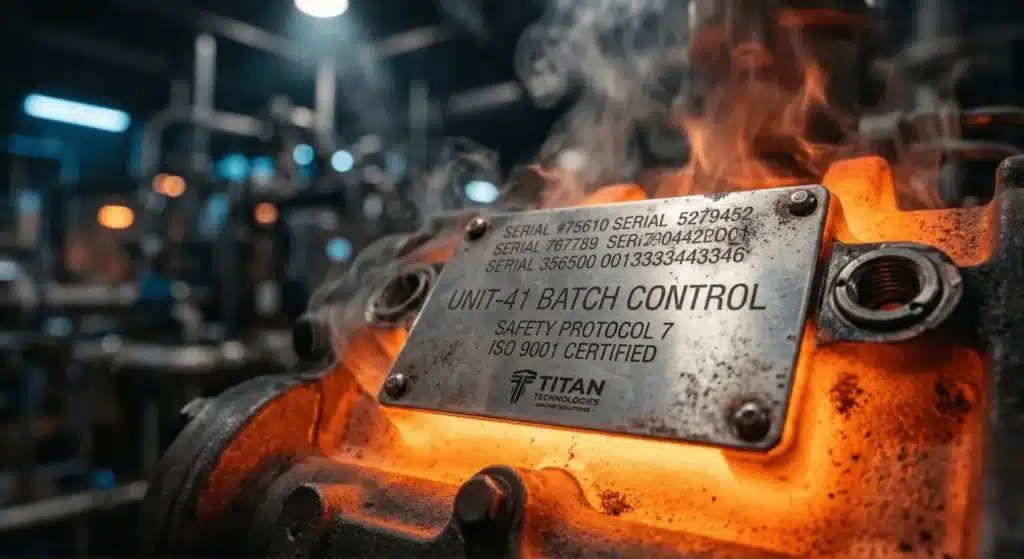
For the facility: it’s far fireplace-resistant and durable.
Whenever we try to create the chrome steel nameplates, we are not just manufacturing a label, we are making a most reliable, safest interface between the handler and gadget. If you choose grade 304 for common use or grade 316 for bad environment, you are deciding on a thing that prioritize safety.
Frequently Asked Questions (FAQs)
Is stainless steel poisonous?
No, stainless steel is non-poisonous. It’s miles biologically impartial, that is why it’s miles used for organic implants (like bone pins) and commercial meals brewing. It does now not release toxic fumes or chemical compounds.
Does stainless steel contain lead?
No. certified AISI 304 and 316 stainless steels are lead-free. Some very specialized “unfastened-machining” grades (like 303) might comprise hint quantities of sulfur or selenium, but general plate materials used for nameplates are free from lead and dangerous heavy metals.