

Is Stainless Steel Magnetic? How to test Your Nameplate satisfactory? The best way utilized by scrap steel dealers and quality inspectors is the “Magnet test.” The idea is straightforward: if a magnet sticks, it is normal metal (which rusts). If it does not stick, it is stainless steel (which does no longer rust). While this rule is a superb starting point, it isn’t one hundred% accurate. When ordering stainless steel Nameplates or Precision Scale Plates, knowledge magnetism is vital. It facilitates you verify if you have become the high-grade AISI 304 or 316 fabric you paid for, or a cheaper replacement.
Is stainless steel magnetic?
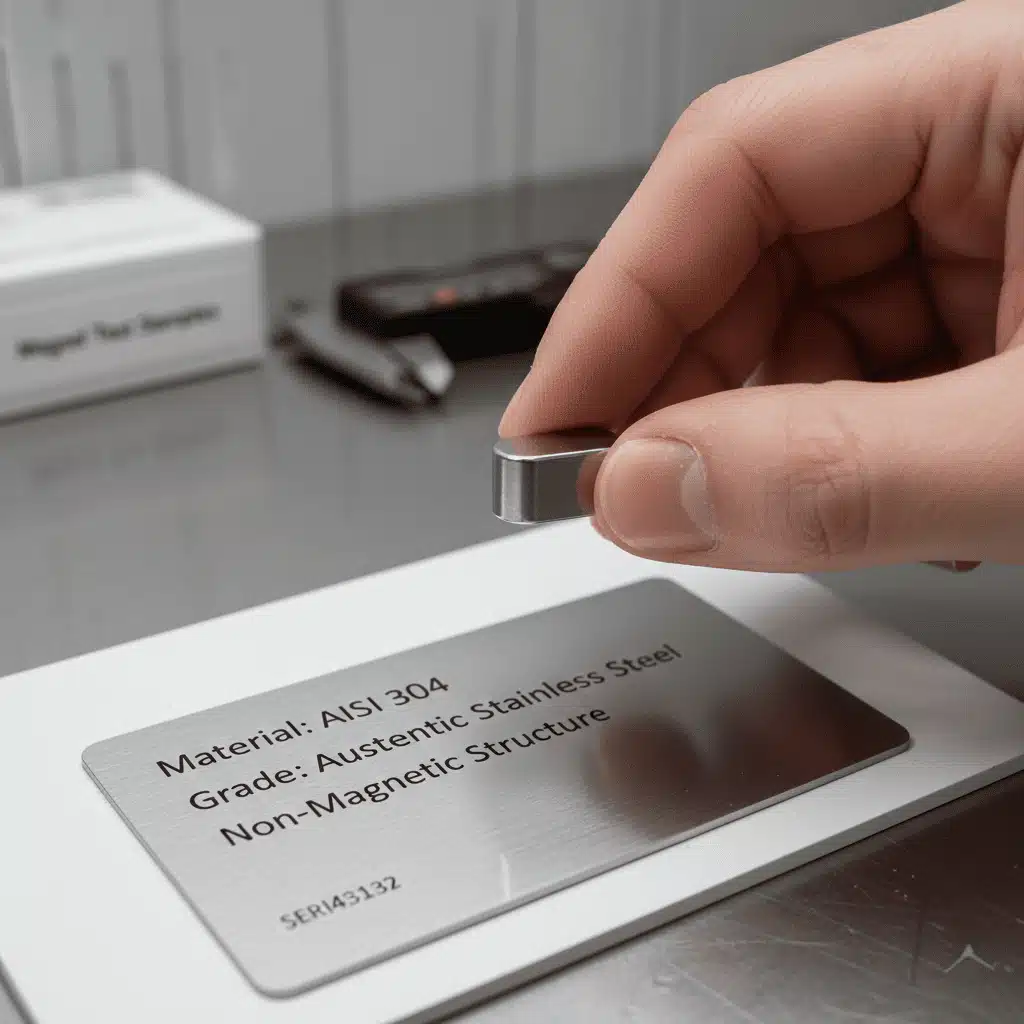
Typically, the most durable stainless-steel grades (Austenitic 304 and 316) are non-magnetic. However, cheaper grades (Ferritic 430) are strongly magnetic.Consequently, if a magnet does no longer stick to your nameplate, it’s also a sign of best quality, corrosion-resistant cloth. To recognize this, we divide chrome steel into two fundamental households utilized in nameplate manufacturing:
1. The Austenitic Family (300 collection):
This includes Grade 304 and Grade 316. Those comprise Nickel, which alters the crystal structure of the steel, making it non-magnetic. Those are the “Gold wellknown” for commercial sturdiness.
2. The Ferritic family (400 collection):
This consists of Grade 430. These incorporate Chromium but no Nickel. They are magnetic (a magnet sticks strongly). Whilst they’re chrome steel, they are less proof against corrosion and inexpensive than the three hundred collection.
Summary:
Non-Magnetic: High quality (Good for chemicals/outdoors).
Magnetic: Lower quality (Good for kitchen trims, bad for harsh industry).
Magnetism Comparison Table
| Grade | Common Name | Magnetic? | Corrosion Resistance | Typical Use |
| AISI 304 | 18/8 Stainless | No (mostly) | Excellent | Industrial Nameplates |
| AISI 316 | Marine Grade | No | Superior | Marine & Chemical |
| AISI 430 | Decorative | Yes | Moderate | Fridge Doors, Trim |
| Carbon Steel | Mild Steel | Yes | Poor (Rusts) | Structural Beams |
Why does a magnet stick to some stainless steel?
A magnet may also keep on with best stainless steel if the steel has been “cold worked.” techniques like rolling, bending, or stamping change the atomic shape of the steel, developing a vulnerable magnetic pull even in Grade 304. This is wherein customers frequently get burdened. They buy a 304 stainless steel nameplate, placed a magnet on it, and feel a slight pull. They assume, “that is false!”
Here is the science:
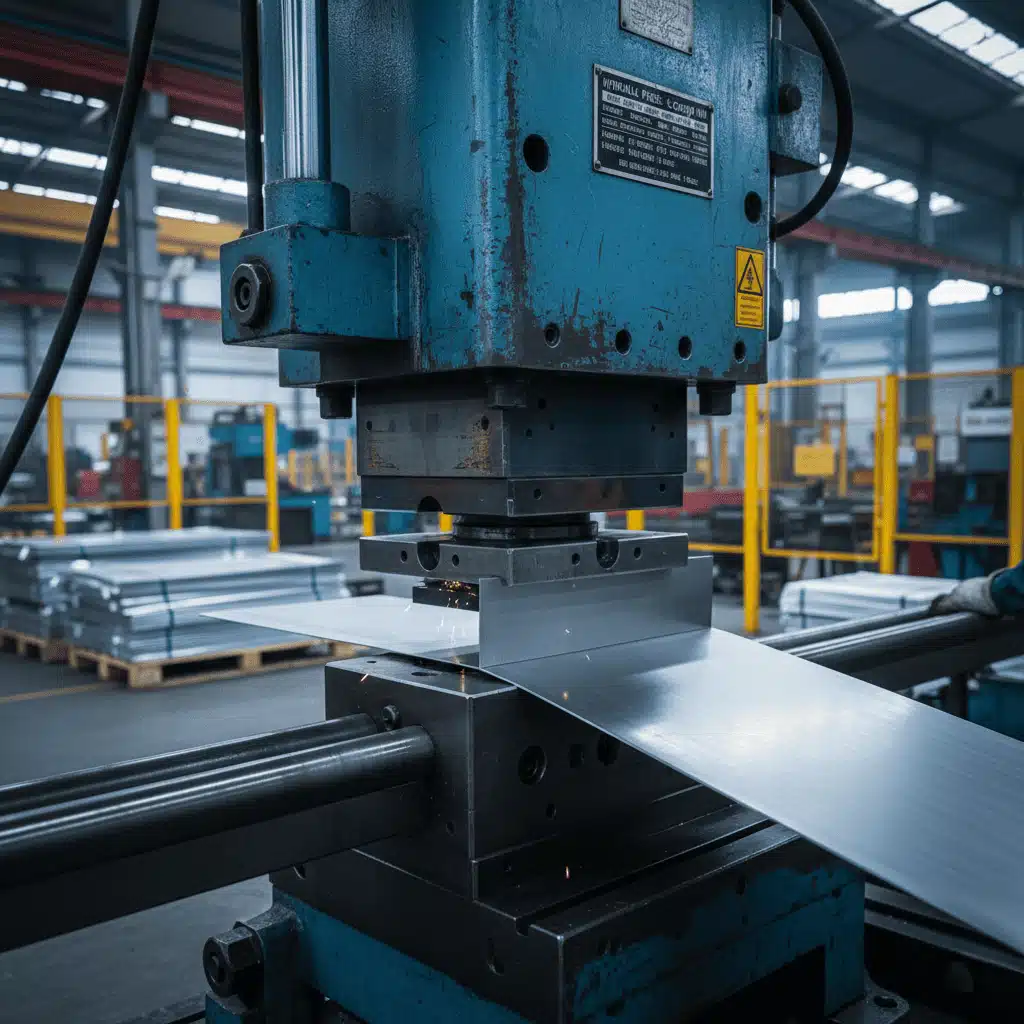
Right here is the technological know-how: While we manufacture Precision Scale Plates, the steel sheet begins as basically non-magnetic “Austenite.” however, to make the plate, we perform bodily stress:
• Rolling: To get the exact 0.5mm thickness.
• Stamping/Punching: To reduce the form and punch holes.
This physical stress forces some of the “Austenite” crystals to turn into “Martensite” crystals. Martensite is magnetic. This does not imply the chemical satisfactory is awful; it simply way the metal has been worked hard to become a durable plate.
The distinction:
• Sturdy Stick: If the magnet slams onto the metallic and is difficult to drag off, it’s far probably the wrong grade (430 or regular steel).
• Weak Stick: If there’s a faint, vulnerable appeal, it’s far probably best 304 that has been processed.
Conclusion
Is stainless-steel magnetic? The solution is “it depends.”
• Non-Magnetic: Generally approach a very low quality 304/316.
• Magnetic: Commonly manner decrease-exceptional 430 (or regular metallic).
• Slightly Magnetic: Usually means the best quality 304 that has been stamped or rolled.
For business Nameplates and Scale Plates, heading off strongly magnetic substances is a smart rule of thumb. It ensures you are getting the Nickel-wealthy alloys capable of surviving harsh manufacturing unit conditions and outdoor climate.
Frequently Asked Questions (FAQs)
Will a magnet stick to 316 stainless steel?
It is very uncommon. 316 chrome steel carries Molybdenum and better Nickel content material, making it extraordinarily immune to turning into magnetic, even after being bent or cut. If a magnet sticks to a “316” plate, it ought to be tested chemically.
Is magnetic stainless steel bad?
Not always. Magnetic stainless-steel (400 series) is great for indoor objects like fridge doors (so that you can stick magnets on them!) and knife blades (for hardness). It’s far only “awful” if you need it to live to tell the tale in saltwater or acids, in which it’ll fail.
How do I know if my stainless steel is real?
The magnet test is just a clue. To know for positive, you can use a “Molybdenum Spot check kit” (one drop of chemical turns purple on 316) or ask your producer for a fabric test document (MTR).