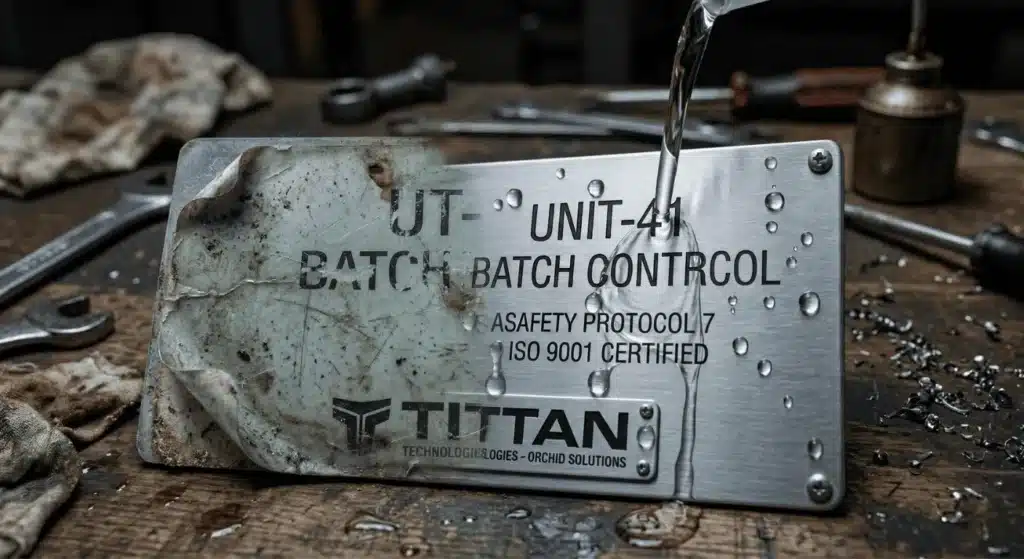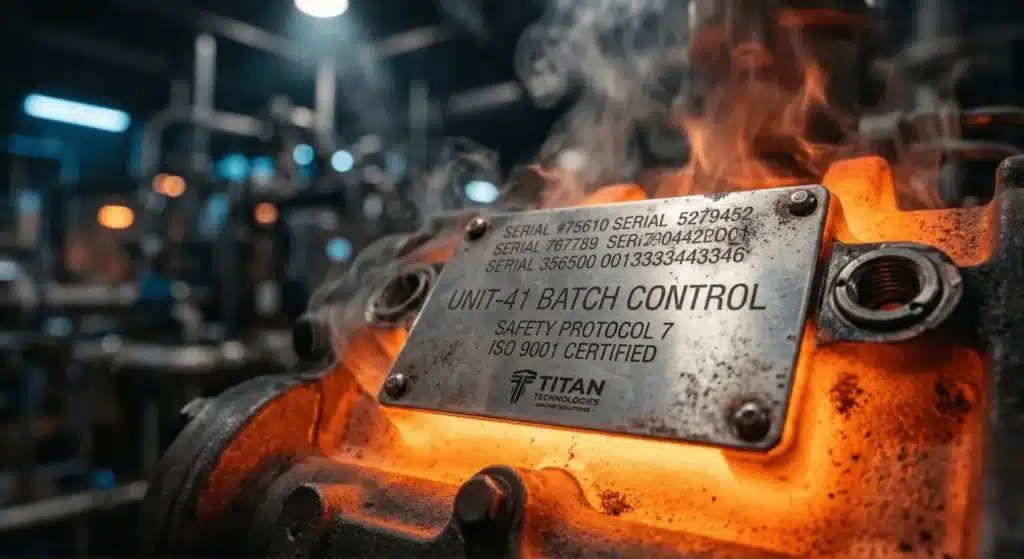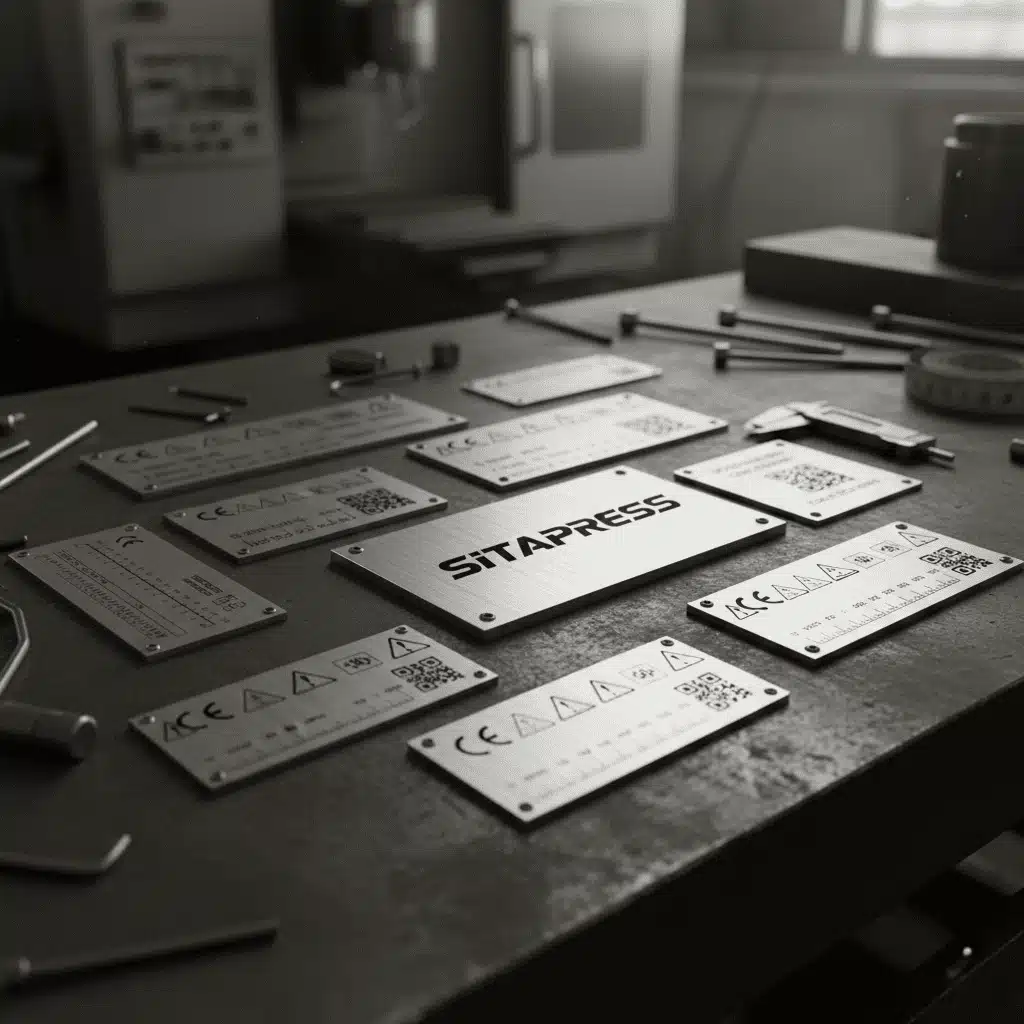

In any industrial environment, put on and tear is inevitable. Gear get dropped, cables drag throughout surfaces, and grit gets blasted with the aid of wind. If you install a pristine, bright nameplate on a machine today, it will no longer look the equal six months from now. A not unusual subject we pay attention from clients is: “Will my nameplates get scratched?” The sincere solution is: yes, any metal may be scratched. Get, the difference between a best business nameplate and a cheap label is what happens after the scratch. Does the statistics disappear? Does the plate appearance ruined? Or does it conceal the damage and keep functioning? This manual explains a way to manage scratches on chrome steel, why the finish you pick out subjects, and why our Deep Chemical Etching manner ensures that even supposing the floor is scratched, your important records remains safe.
Which end hides scratches higher?
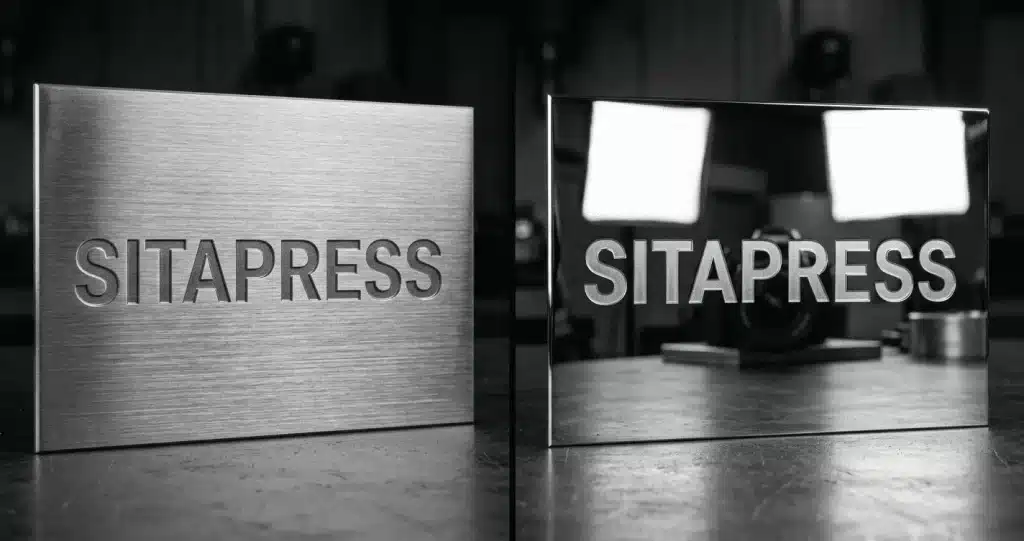
The Brushed (Satin) end, technically known as a No. four end, is the industry trendy because it hides scratches and fingerprints successfully. A reflect Polish (No. 8 finish) is notably reflective and highlights every tiny hairline scratch, making it excessive-protection and improper for heavy business use. Whilst you order your stainless-steel Nameplates or Scale Plates, you normally have a preference of end. This isn’t always simply a classy choice; it’s far a practical one.
1. The Brushed / Satin end (encouraged)

That is the end you notice on business kitchen elevators and commercial equipment.
- Why it really works: The surface is already covered in millions of microscopic, uniform scratches (the “brush” lines).
- The gain: If a employee drags a device throughout the plate, the new scratch has a tendency to get “misplaced” inside the existing texture. it’s far camouflage for put on and tear.
- Pleasant For: equipment records plates, serial tags, manage panels, and outside signage.
2. The mirror Polish end
This seems like chrome or a tumbler reflect. It’s miles lovely and top class.
- The downside: it is unforgiving. A single fingerprint appears messy. A tiny scratch from a cleansing fabric looks as if a scar.
- Renovation: To keep it looking right, you need to polish it continuously. if you try to use a Scotch-Brite pad in this, you will spoil it right away (turning it right into a stupid grey spot).
- Good For: luxury branding, ornamental emblems, and applications where the plate will not be touched (e.g., high on a wall).
How to get scratches out of stainless steel
Deep scratches or gouges that trap your fingernail can not be simply buffed out without changing the floor. For deep damage, the place need to be sanded down with gradually finer grits of sandpaper, then re-completed to suit the grain. this is a tough method and highlights the significance of choosing a tough steel like chrome steel initially. sometimes, an coincidence takes place—a forklift hits a system, or a wrench slips. You turn out to be with a deep gouge inside the nameplate.
Can you fix a deep gouge?

Technically, yes, however it requires metallic elimination. You need to sand down the surrounding metallic until it is stage with the lowest of the scratch.
- Caution: On a plated metallic (like chrome-plated brass), this would smash the component due to the fact you’ll sand through the plating.
- The immaculate advantage: Stainless steel is the same alloy all of the manner via (strong steel). You may sand it as a whole lot as you need, and it’s going to nevertheless be chrome steel beneath. It might not peel or flake.
But, for a nameplate, deep sanding might erase the text if the etching is not deep enough. This is why we make certain our trendy Etch intensity is enough to withstand full-size surface trauma.
Conclusion
Scratches are part of business existence. You cannot forestall them, but you could plan for them.
- Don’t combat the scratches: Select a Brushed finish that blends them in naturally.
- Don’t lose the statistics: Pick out Deep Chemical Etching so the statistics sits safely under the scratch line.
- Don’t worry approximately the metal: Select stainless steel, which is stable thru-and-via and may be re-polished or wiped clean without peeling.
Whether you want a rugged serial tag for a rock crusher or a swish manipulate panel for a food manufacturing unit, know-how how the material handles put on will ensure you get a product that looks expert for years, not just days.
Frequently Asked Questions:
Can I use toothpaste to cast off scratches from stainless-steel?
For extremely exceptional hairline scratches (like on an eye fixed or a sophisticated equipment), non-gel toothpaste can act as a moderate abrasive polish. it’d paintings on a reflect end. However, for a Brushed industrial Nameplate, toothpaste may not do a lot. You are better off using a Scotch-Brite pad.
Does scratching stainless-steel cause rust?
It can. If a scratch is deep enough to keep water or dust, or if the scratch turned into made via a rusty iron device, it could turn out to be a start line for corrosion. This is why maintaining the plates clean is important. The chromium oxide layer will heal itself inside the scratch if oxygen is gift.
How do I fix a scratch on a black stainless-steel nameplate?
That is hard. If the black is a surface coating or paint, you cannot buff the scratch out because you’ll take away the black coloration, revealing the silver metal beneath. If the black is “chemically blackened” (oxidized), you is probably able to darken the scratch with a chemical touch-up, however it’s miles difficult to fit flawlessly.