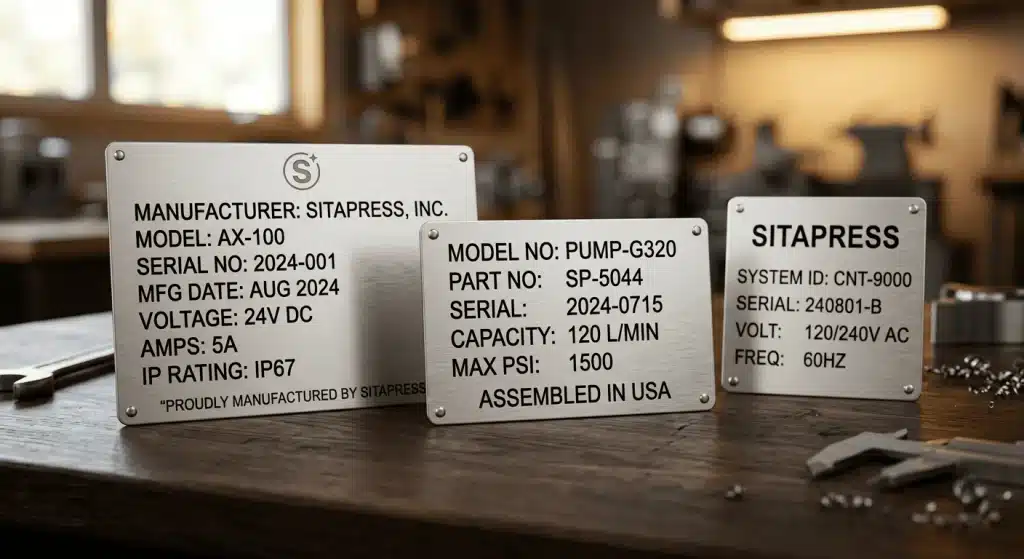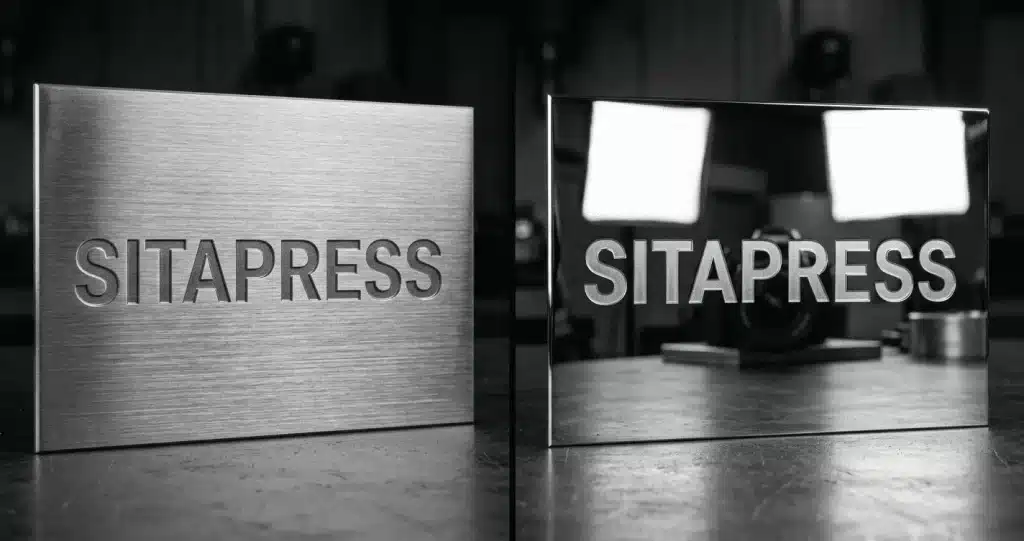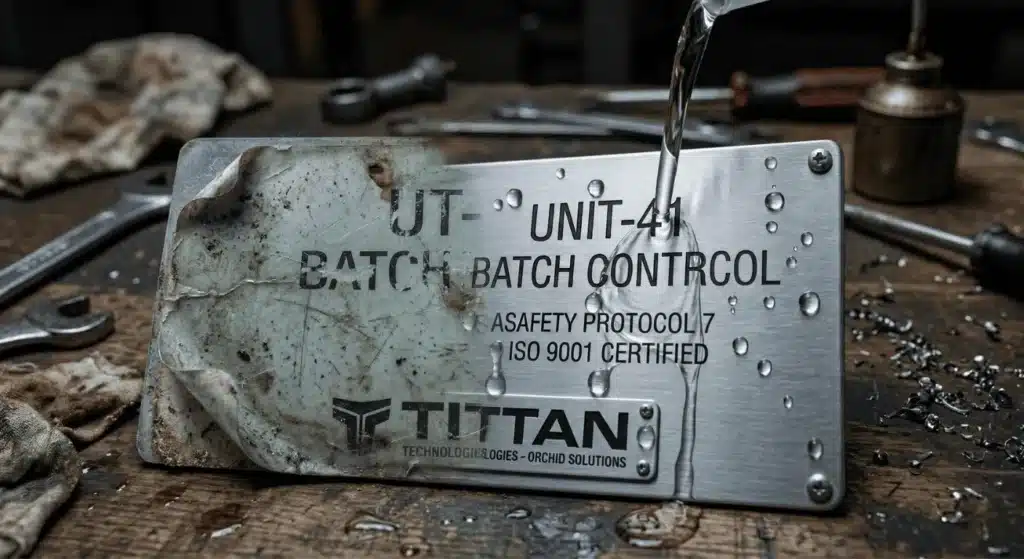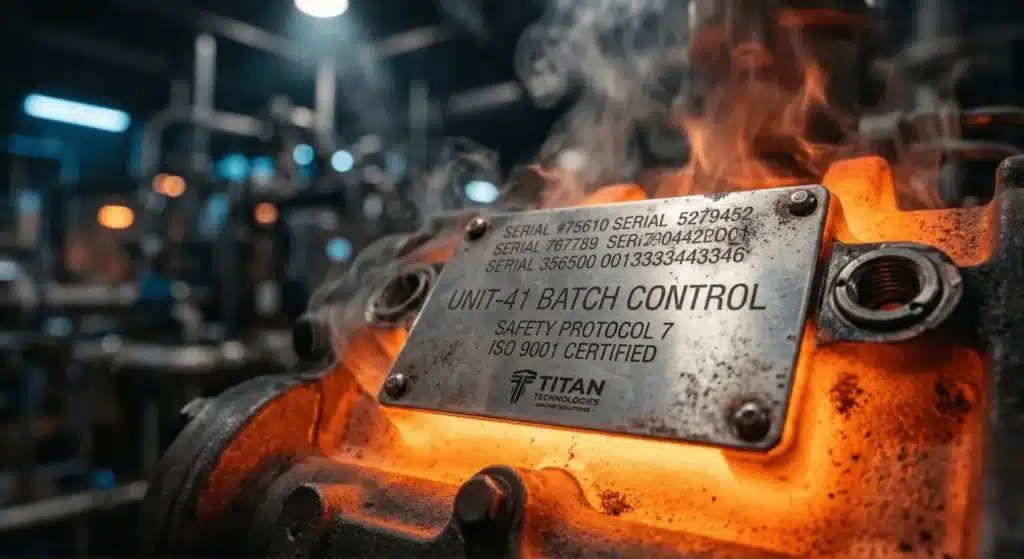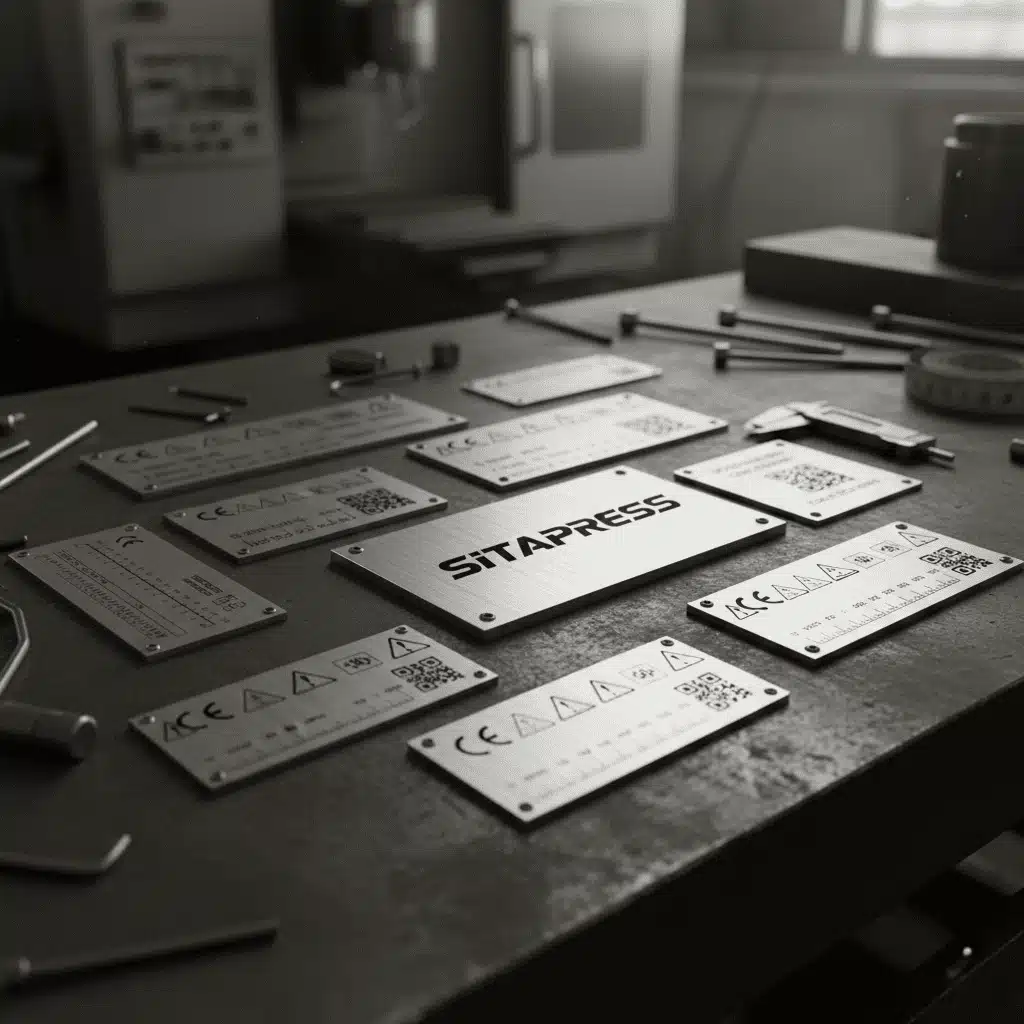

A stainless-steel nameplate is designed to final all the time, but its clarity relies upon on how properly it is maintained. In a manufacturing facility environment, information plates get blanketed in hydraulic oil, dirt, paint overspray, and grease fingerprints. If an inspector cannot read the pressure score on a boiler due to the fact the plate is dirty, it’s a violation. If a protection engineer misreads a serial variety due to a smudge, it causes ordering mistakes. Even as stainless-steel is rugged, it isn’t always self-cleaning. The good information is that maintaining it is simple, if you follow the proper guidelines. This guide solutions the most famous questions about cleaning stainless steel, particularly tailor-made for commercial Nameplates, Scale Plates, and control Panels.
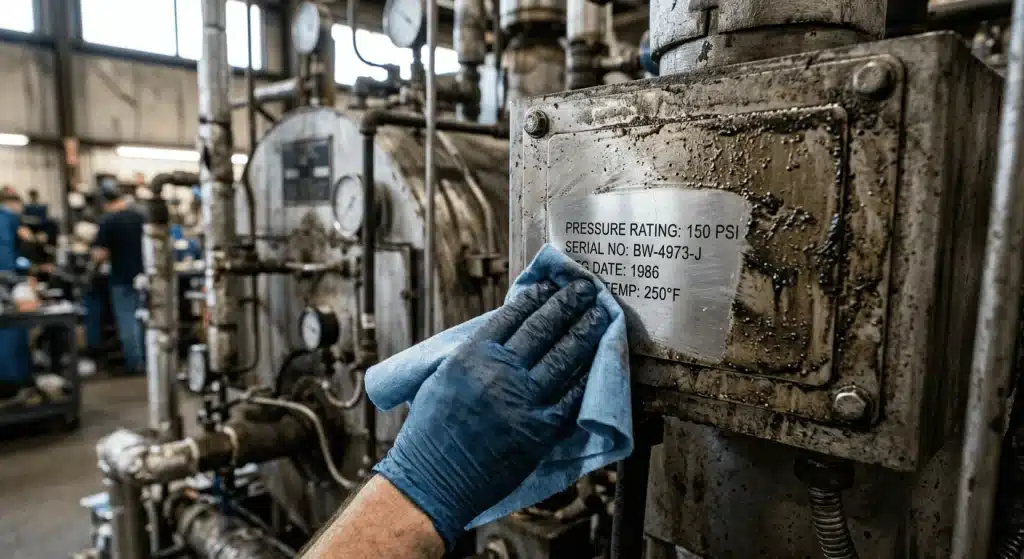
What’s the first-class manner to clean stainless steel nameplates?
The first-rate and safest manner to clean stainless steel is the usage of heat distilled water blended with a mild liquid dish detergent. This answer eliminates surface dust and oils without destructive the passive corrosion-resistant layer or the paint-crammed textual content. Always wipe within the course of the metallic grain to prevent streaking. You don’t usually want fancy chemicals. For 90% of conditions, the “Kitchen approach” is advanced to harsh business solvents.
The standard cleansing Protocol:
- Arrange the surface: Keep away any free grit or metal shavings with the compressed air. If you will clean a dusty plate, you may eliminate it.
- Mix solution: Use heat water and a drop of pH-neutral soap (like dish cleaning soap).
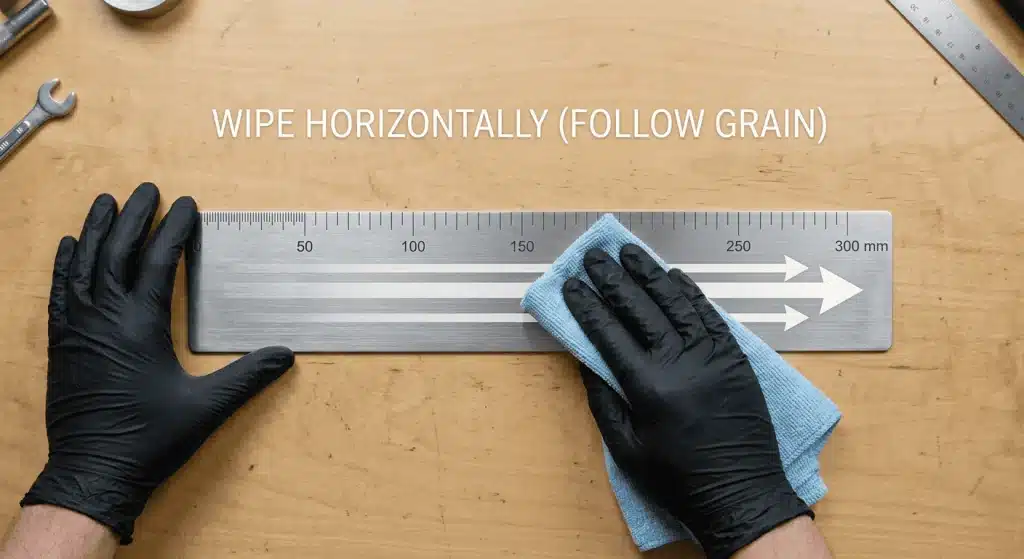
- Wipe: Dip a tender microfiber fabric or sponge into the water. Wipe the nameplate lightly.
- The “Grain” Rule: Look intently on the metal. You may see exceptional strains strolling left-to-right or up-and-down. Continually wipe parallel to those strains. If you wipe in circles, you’ll pressure dirt into the grain, making it look dull.
- Rinse: Wipe once more with easy water to eliminate soap residue.
- Dry: After the whole process dry instantly with a sparkling towel. Water spots are in reality minerals left behind when water evaporates. Drying saves them.
A way to easy oil and grease from system data plates?
For heavy commercial grease, hydraulic fluid, or tar, mild cleaning soap isn’t always enough. You have to use a specialised degreaser or a solvent like Acetone or Isopropyl Alcohol. Unlike plastic labels, chrome steel is impervious to those solvents, permitting you to dissolve the dust without melting the nameplate.
In a system store, “clean” is a relative term. Plates get caked in thick sludge.
The Heavy-obligation cleaning Steps:
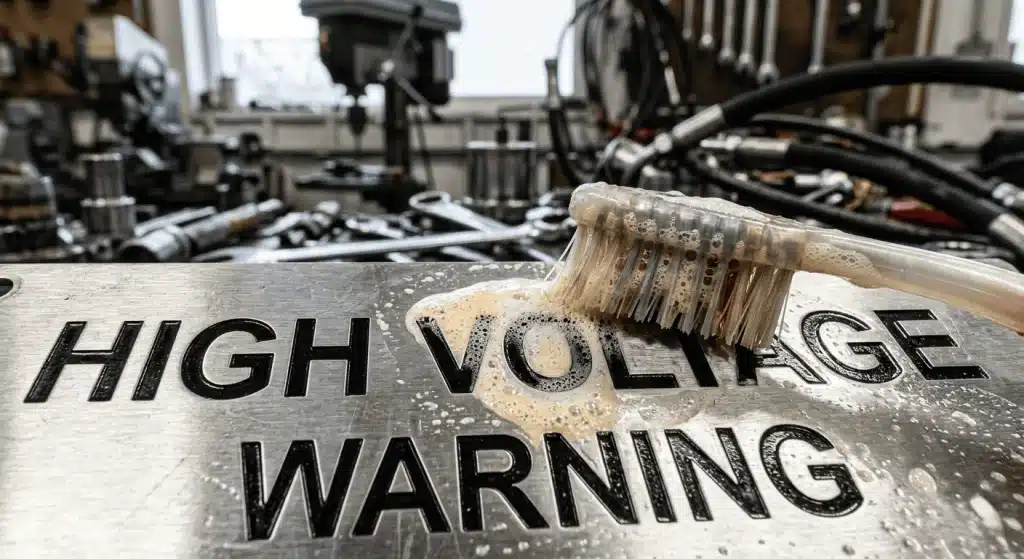
- Degreaser: Spray a citrus-based totally commercial degreaser (like simple inexperienced or Zep) onto the plate. Let it sit down for 2 minutes to break down the oil..
- The Toothbrush Trick: If dirt is stuck inside the etched letters (the recessed areas), a cloth won’t attain it. Use a tender-bristle toothbrush with the degreaser to softly scrub in the letters. This restores the assessment of the textual content.
Why cleansing Prevents Rust
Cleansing is not just about aesthetics; it’s miles approximately longevity. Stainless-steel desires Oxygen to live to tell the tale. The chromium within the metallic reacts with oxygen in the air to form its protective shield.
- The Suffocation problem: If a nameplate is included in a thick layer of grease or dirt, oxygen can’t attain the steel floor.
- The Corrosion hazard: Without oxygen, the passive layer breaks down. If moisture receives underneath the grease, “crevice corrosion” can start.
- The restore: An easy wash removes the dirt, exposes the metallic to the air, and allows the “self-healing” technique to take place at once.
Conclusion
The name of the game to retaining stainless steel Nameplates searching expert is simple: maintain them smooth, maintain them dry, and preserve chlorides away. by deciding on Deep Chemical Etching, you are making cleansing less complicated. You don’t must worry approximately scrubbing the letters off. you could use degreasers, scrub brushes, and high-stress air without fear. This durability makes stainless-steel the lowest-maintenance fabric for industrial identification. whether or not you operate a premium spray like Weiman or just a bucket of soapy water, looking after your nameplates ensures they may deal with your records for many years.
Frequently Asked Questions (FAQs)
How do I clean the etched letters especially?
If the recessed letters are white with dirt or white polish residue, use a smooth toothbrush dipped in a little oil (infant oil or WD-forty). The oil enables lift the white powdery residue out of the dark paint, restoring the black contrast.
Can i use a stress washer on chrome steel plates?
Yes, chrome steel plates (in particular the ones robotically fixed with screws/rivets) can withstand high-pressure washing. The etched paint is cured and tough, so the water jet may not peel it off. but, be cautious with adhesive-installed plates, as the water pressure may cut through the froth tape.
What’s the satisfactory cloth to use?
Microfiber is the gold wellknown. It grabs dust in preference to spreading it. Cotton rags are okay but can leave lint. Avoid paper towels on replicate-finish plates, because the wood fibers in the paper can clearly motive microscopic scratches over time.